I demand Print
Sunday, January 26, 2014
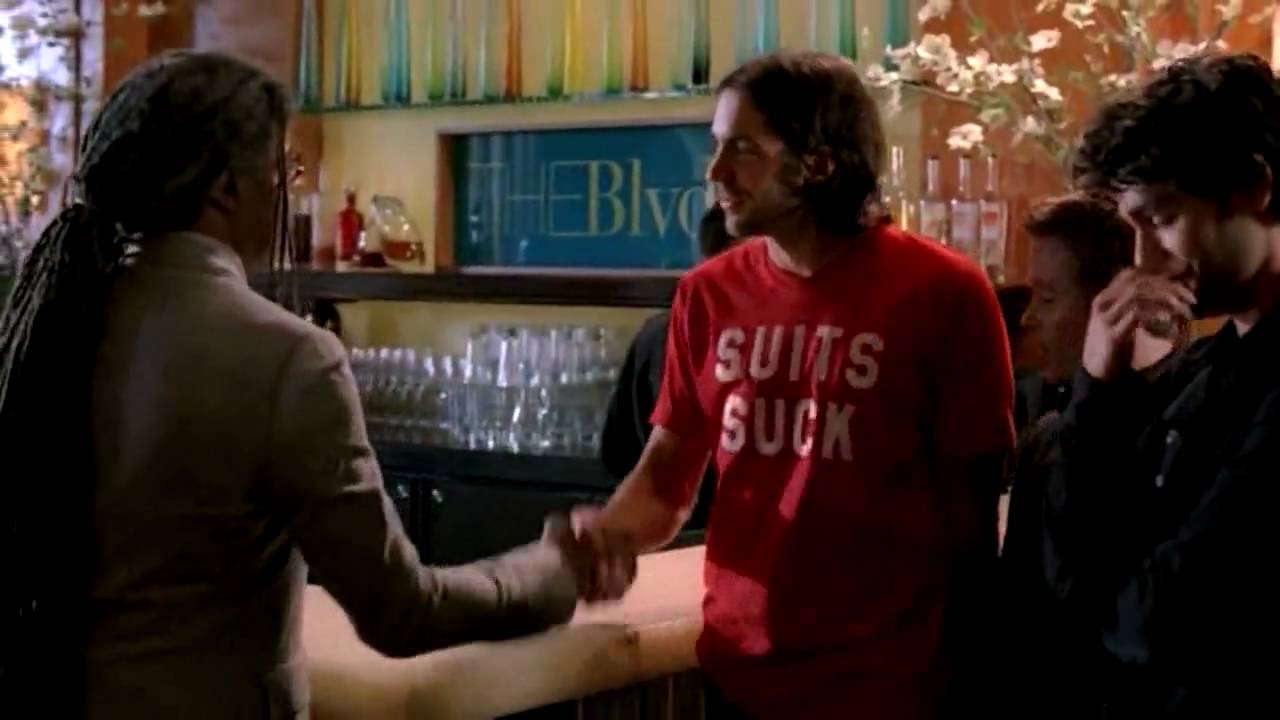
Print on demand is a weird thing. I upload thing document to the air and it comes back to me in the physical form of a book. Print on demand takes our ones and zeros and converts them into paper and letters. This transfer of data, which I have yet to understand, allows users to be more experimental with the books they wish to make. "A similar approach was further explored by Wired magazine for their July 2007 issue; 5,000 subscribers were given the option of receiving their own customised cover of Wired, featuring their own photo on the cover. The experiment was sponsored by Xerox and produced using their iGen3 digital printing machine." Seems a little dated as a year but the point is that because of the no money down, wild west rules to print on demand people are allowed to experiment more with what they wish to show. I'm not old enough to remember or even know what it was like to try and get a book published. My take is that you would have to go to some guy and pitch what the book you wanted to write and he would decide if the book was a good idea or not. Some suit telling you what is good and what isn't. But today I can just upload a bunch of ones and zeros to something that reads those ones and zeros to give me paper and letters. The possibilities for what books should look like/ have in them is no longer decided by the suits, its decided by you, the public.

The Mutalation of Publishing since 1894
Wednesday, January 22, 2014
"The result is a stack of paper occupying a significant physical space, and space seems to
have become one of the most valuable resources in our consumption oriented age."
Its an interesting thought to think about how people feel the need to fill a physical space and yet we only put what's "really" important on a hard drive. Print fills that space for us. We can't see whats on our hard drive. It doesn't fill a physical space that we can wrap out heads around. It seems to say that we need it to be held in our hands or real for us to accept it. BUT that doesn't mean that it can't change. It seems that the only reason for us to really consume this space is due to a weird marketing ploy to always keep us buying shit. Is it a possibility that we can move away from this consumption oriented age or is it some weird gorilla chest beating ritual that marketing geniuses turned against us to keep us buying things?
have become one of the most valuable resources in our consumption oriented age."
Its an interesting thought to think about how people feel the need to fill a physical space and yet we only put what's "really" important on a hard drive. Print fills that space for us. We can't see whats on our hard drive. It doesn't fill a physical space that we can wrap out heads around. It seems to say that we need it to be held in our hands or real for us to accept it. BUT that doesn't mean that it can't change. It seems that the only reason for us to really consume this space is due to a weird marketing ploy to always keep us buying shit. Is it a possibility that we can move away from this consumption oriented age or is it some weird gorilla chest beating ritual that marketing geniuses turned against us to keep us buying things?
Factotum
Wednesday, January 15, 2014
Factotum. I first heard about Bukowski’s writing on the fringe from some weird beatnik friends of mine. They talked about how they hated it, they said it had nothing on the beats. So I thought I might as well pick up some books and get caught up. I ordered a stack of books from amazon. I bought them used, used books have this rustic or weathered quality to them like they have been through something. In reality, I was broke at the time and needed something to do with my summer. As the adventure continued, I started to realize that I felt like I was taking this journey with Bukowski on his life. He going through his life, me going through a book based around his life. As the pages turned days of his life turned as well. The book, maybe more of Bukowski himself, influenced me to read more Bukowski. Reading more Bukowski made me want to read more <insert any poets name here> the book made me look at words differently. There was a beauty in what Bukowski wrote, but if you push the beauty away it gets to a deeper issue at hand.

Oh is it Gassy in here?
Gass says that book are always on. A screen turns off at the end of the day. He also talks about having a book shelf and what that does for you and everyone who interacts with it. He talks about how in a shelf they are visible to be seen by other people. "Unlike the love we've made or the meals we've eaten books congregate to form a record around us of what they've fed our stomachs and our brains. These are not a hunters trophies but the living animals themselves." In relation to books being on the shelf. He also says " because every real book is a mind, an imagination, a consciousness" He seems to be saying is that books create this other person by sharing what they have to share, when they are together, not only are they multiple people but multiple utopias or complete dismay. He also talks about the interactivity in a book. The way the pages turn, what cover looks and feels like or even what the persons name was who rented the book before him. I tend to agree with Gass. Books have a spirit to them, they live and breathe, they have a smell, the more used book the better. Its been through some rough times. There is also this idea that a book recommends a person. I can see what you're reading, a stranger I don't even know.
Subscribe to:
Comments (Atom)


